Clausewitz's On War

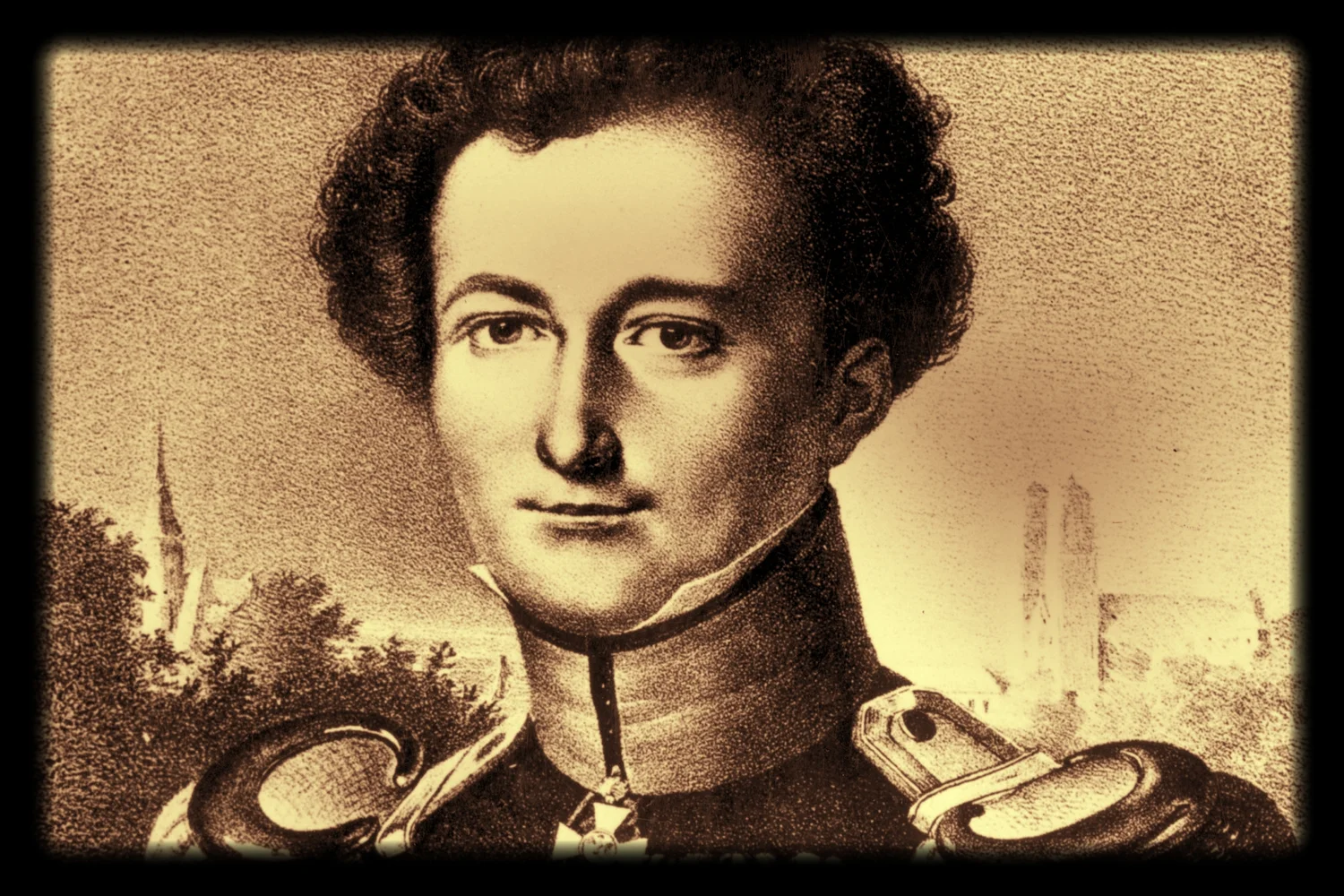
On War (Vom Kriege, 1832) is the unfinished magnum opus of Prussian military philosopher Carl von Clausewitz. It is the foundational text of modern Western strategic thought, and its core distinction —” that tactics is the art of using troops in battle while strategy is the art of using battles to win the war —” is the intellectual backbone of Difference Between Strategy and Tactics.
Key Concepts
1. The Trinity (Wunderliche Dreifaltigkeit)
Clausewitz argued that war is not a single phenomenon but a paradoxical trinity composed of three forces:
| Element | Social Analogue | Tendency |
|---|---|---|
| Primordial violence | The people | Hatred, passion, enmity |
| Chance and probability | The commander and army | Creativity, courage, skill |
| Rational policy | The government | Reason, purpose, subordination to political ends |
A successful strategy must account for all three. Overemphasizing any one element —” pure violence without political purpose, or pure rationality without passion —” leads to failure.
2. War as a Continuation of Politics
Clausewitz's most famous dictum: war is not an autonomous act but "a continuation of political intercourse by other means." This means strategy can never be purely military —” it must always serve a political or organizational end. In business terms, strategy must serve the organization's purpose, not become an end in itself.
3. Friction
The concept of friction describes the gap between the plan on paper and what actually happens in execution. Everything is simple in a strategic plan, but in reality:
- Orders get misunderstood
- Equipment breaks
- Weather turns
- The enemy does something unexpected
Friction is why Execution - The Discipline of Getting Things Done is as important as strategy itself. A brilliant strategy that ignores friction is no strategy at all.
4. The Culminating Point
Every offensive has a culminating point —” the moment beyond which the attacking force can no longer sustain its advance and becomes vulnerable to counterattack. Knowing when to stop, consolidate, or shift from offense to defense is a critical strategic judgment.
Clausewitz vs. Sun Tzu
The original note mentions both Clausewitz and Sun Tzu's The Art of War. While both are military strategists, their emphases differ:
| Dimension | Clausewitz | Sun Tzu |
|---|---|---|
| View of war | Violent, chaotic, uncertain | An art to be mastered through wisdom |
| Ideal outcome | Decisive battle | Victory without fighting |
| Key variable | Friction, morale, chance | Information, deception, positioning |
| Approach | Overwhelming force at the decisive point | Avoid strength, attack weakness |
Relevance to Business Strategy
Clausewitz's framework maps directly onto modern business:
- The Trinity: The tension between employee passion (people), management skill (commander), and shareholder returns (government/policy).
- Friction: The gap between a strategic plan and its real-world execution —” why Execution - The Discipline of Getting Things Done is a distinct discipline.
- Culminating point: The danger of over-investing in a growth strategy past the point of diminishing returns.
🎴 Interactive Web Practice (Comprehension Check)
Question 1 (The Paradoxical Trinity): How does Clausewitz's concept of the trinity (*Wunderliche Dreifaltigkeit*) explain why strategic plans fail when one element is disproportionately emphasized?
Answer: Clausewitz defines strategy as an unstable equilibrium among three competing forces: primordial violence/passion (the people), chance and probability (the army/commander), and rational policy (the government). In a business organization, this maps to cultural morale and passion, managerial/operational capability, and executive governance and objectives. Overemphasizing cold rational targets while ignoring workforce morale leads to disengagement, while prioritizing tactical maneuvers without grounding in corporate policy produces purposeless activity that fails to deliver strategic value.
Question 2 (Strategic Subordination): What does Clausewitz signify by describing war as "a continuation of political intercourse by other means," and what is its core implication for corporate strategy?
Answer: Clausewitz emphasizes that military engagement has no independent purpose; it is strictly an instrument subordinated to political objectives. In business, operational execution and tactical maneuvers must not become self-serving ends. Departmental initiatives and tactical agility are only meaningful insofar as they advance the enterprise's primary strategic purpose and long-term organizational goals.
Question 3 (Execution Dynamics & Friction): How do the dual concepts of "friction" and the "culminating point" illuminate the limits of strategic planning during real-world execution?
Answer: "Friction" encompasses the inevitable operational snags—miscommunications, unexpected market shifts, logistical failures, and internal inertia—that separate a pristine theoretical plan from reality, highlighting why disciplined execution is essential. The "culminating point" represents the threshold where an initiative or aggressive expansion exhausts its operational momentum and resources, turning further advance into heightened vulnerability. Together, they demonstrate that resilient strategy requires anticipating execution breakdowns and knowing when to consolidate gains rather than overextending resources.
See Also
- Difference Between Strategy and Tactics —” The Clausewitzian distinction that frames this entire topic.
- Sun Tzu's The Art of War —” The Eastern counterpart to Clausewitz's Western framework.
- Grand Strategy —” The level above strategy that coordinates military, economic, and diplomatic means.
- A Plan Is Not A Strategy —” Why most corporate "strategic planning" is not truly strategic.
- Execution - The Discipline of Getting Things Done —” How to bridge the gap between strategy and results.
- Competitive Strategy —” Porter's business frameworks for strategic positioning.
- Game Theory —” Formal models of strategic interaction in competitive environments.
References