The Peter Principle
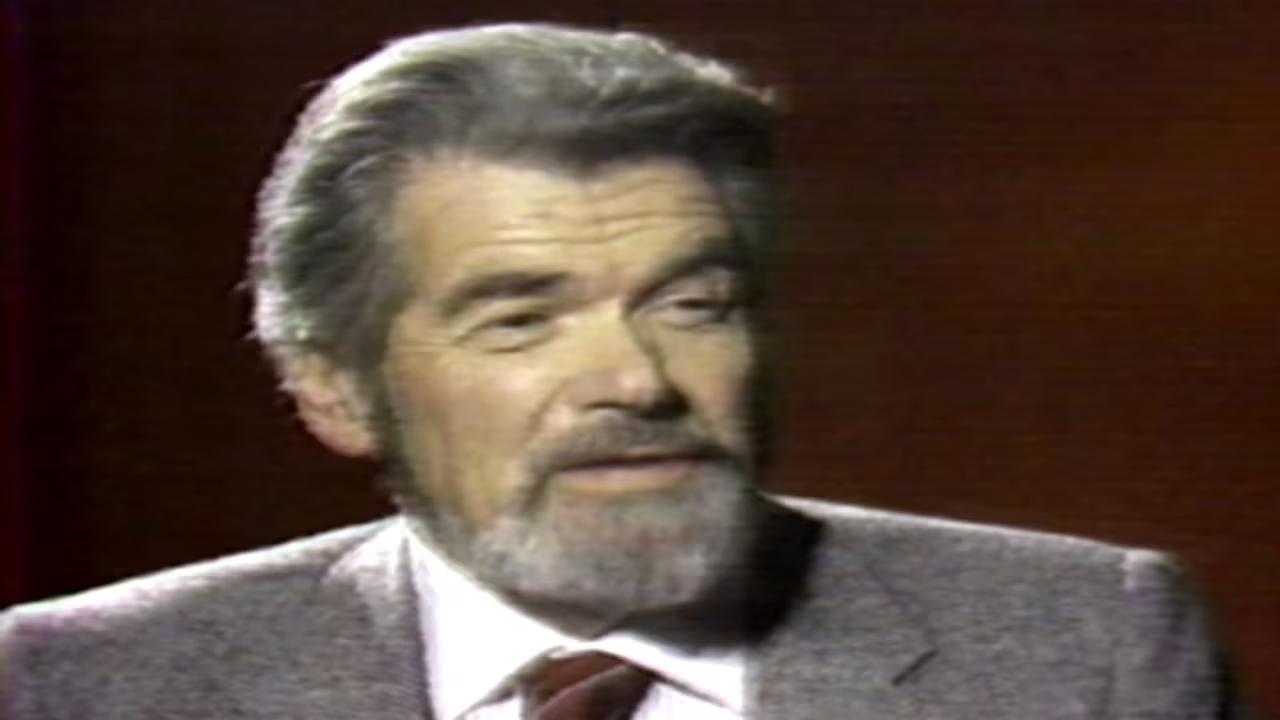
The Peter Principle is a management concept introduced by Dr. Laurence J. Peter in his 1969 book The Peter Principle: Why Things Always Go Wrong. It states that people in a hierarchy tend to rise to their level of incompetence —” meaning employees are promoted based on success in their current role until they reach a position where they can no longer perform effectively, and there they remain.[1]
The Mechanism
The Peter Principle describes a structural flaw in how organizations promote people:
- An employee performs well in their current role.
- They are rewarded with a promotion to a higher role.
- If they perform well in the new role, they are promoted again.
- This continues until they reach a role where they are incompetent.
- Because they are incompetent, they are no longer promoted —” they stay in that role indefinitely.
The result is that, over time, every position in a hierarchy tends to be filled by someone who is incompetent for that position —” because the competent people have been promoted out of it, and the incompetent ones have nowhere else to go.
The Peter Principle and the Leadership-Management Distinction
The Peter Principle directly illustrates the "Strong Management with Weak Leadership" imbalance described in Difference Between Leadership and Management. A high-performing individual contributor or operational manager is promoted into a leadership role —” but the skills that made them effective as a manager (attention to detail, process optimization, rule-following) are not the same skills required for leadership (vision-setting, change management, inspiring others).
| Promoted From (Competent) | Promoted To (Incompetent) |
| --- | --- |
| Top-performing salesperson | Sales manager who cannot coach others |
| Brilliant engineer | Engineering director who cannot lead teams |
| Excellent teacher | School principal who cannot manage budgets |
| Skilled surgeon | Hospital administrator who cannot navigate bureaucracy |\
Related Concepts
The Dilbert Principle
Scott Adams, creator of the comic strip Dilbert, proposed a variation: incompetent employees are deliberately promoted to management to limit the damage they can do. Unlike the Peter Principle, which assumes incompetence is discovered accidentally, the Dilbert Principle suggests it is a strategic choice.[2]
The Paul Principle
Management consultant Paul Armer proposed a corollary: people can also become incompetent in their current role over time, even without a promotion, as the demands of the role evolve beyond their capabilities.[3]
Avoiding the Peter Principle
Organizations can mitigate the Peter Principle through:
- Dual career tracks: Allowing technical experts to advance in seniority and compensation without moving into management (e.g., "Principal Engineer" or "Fellow" roles).
- Trial promotions: Temporary assignments or "acting" roles that allow assessment before permanent commitment.
- Demotion without stigma: Creating a culture where stepping back from a role is seen as self-awareness, not failure.
- Leadership development: Training programs that prepare people for the different skills required at each level —” see IBM - Personal Development and Leadership.
Backlinks
- William H. Whyte's The Organization Man — Complements the Peter Principle by diagnosing how postwar corporate hierarchies reward bland social adjustability and compliance over individual brilliance, creating promotional pathways that systematically elevate conformist mediocrity.
- Difference Between Leadership and Management —” The Peter Principle explains why organizations often end up with strong managers in leadership roles where they are ineffective.
- Level 5 Leadership —” Level 5 leaders are the exception to the Peter Principle: they combine the competence to manage with the humility to lead.
- From Cogs to Collaboration - The Evolution of Management Thought —” The Peter Principle is a critique of the hierarchical, bureaucratic structures that Classical School management created.
References
Laurence J. Peter & Raymond Hull / The Peter Principle: Why Things Always Go Wrong / William Morrow & Company ↩︎
Scott Adams / The Dilbert Principle / HarperBusiness ↩︎
Paul Armer / The Paul Principle / Datamation ↩︎